
Nitro pours

I’m a big fan of Guinness, even before the most recent revival of the brand and I’ve always wanted to have a stout on tap through a nitrogen setup at home. While it’s not everyone’s cup of tea, it’s a bit of a staple for an average Irish person to drink it year round, regardless of the season.
A nitrogen system requires a little more effort in terms of needing a separate gas bottle, a separate regulator and a separate tap. The gas bottle contains a mixture of nitrogen and C02, often called ‘Bevmix’ or ‘Cellamix’ depending on where you source it. Typically it can be a 20/80 or 30/70 mix, where the higher amount indicates the percentage of Nitrogen in the bottle. Nitrogen is insoluble but produces a smaller bubble, with a denser, creamier head on the beer.
A nitrogen tank operates at a much higher pressure than C02 and as a result, requires a different regulator. And the tank gas itself is a little harder to source - and ultimately ends up being a BOC account, or Eziswap gas.
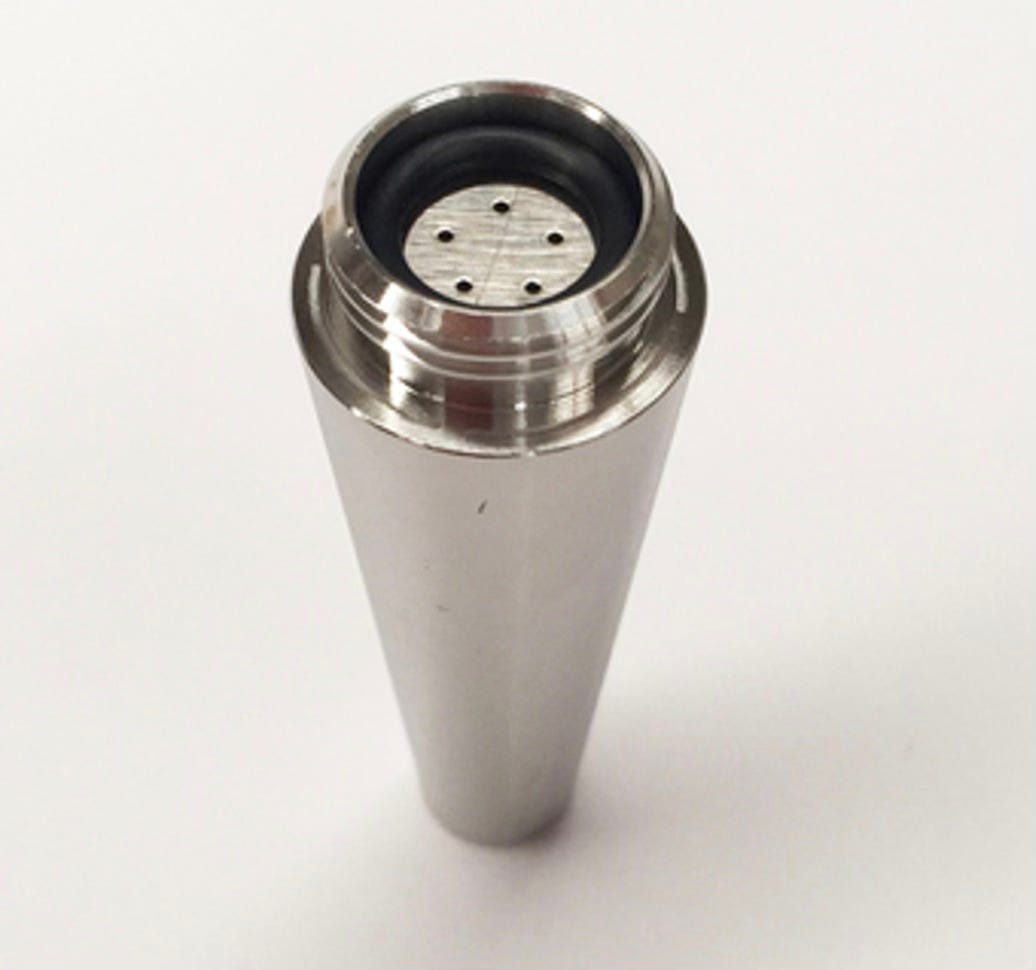
The tap is different in that the liquid is passed through a plate with fine holes in it, causing the gas to break out of solution with a cascading effect produced in the glass when poured.
I’ve had the gas bottle and regulator for a while now, coupled with a stout beer gun which has never been particularly effective. I’ve never managed to find the right conditions in which to pour a creamy pint - more often than not, it’s not until close to the end of the keg where it’s been better. I’ve also found that it pours too quickly and causes bigger bubbles in the beer than should be there, despite playing around with pressure and line length - a very frustrating experience.
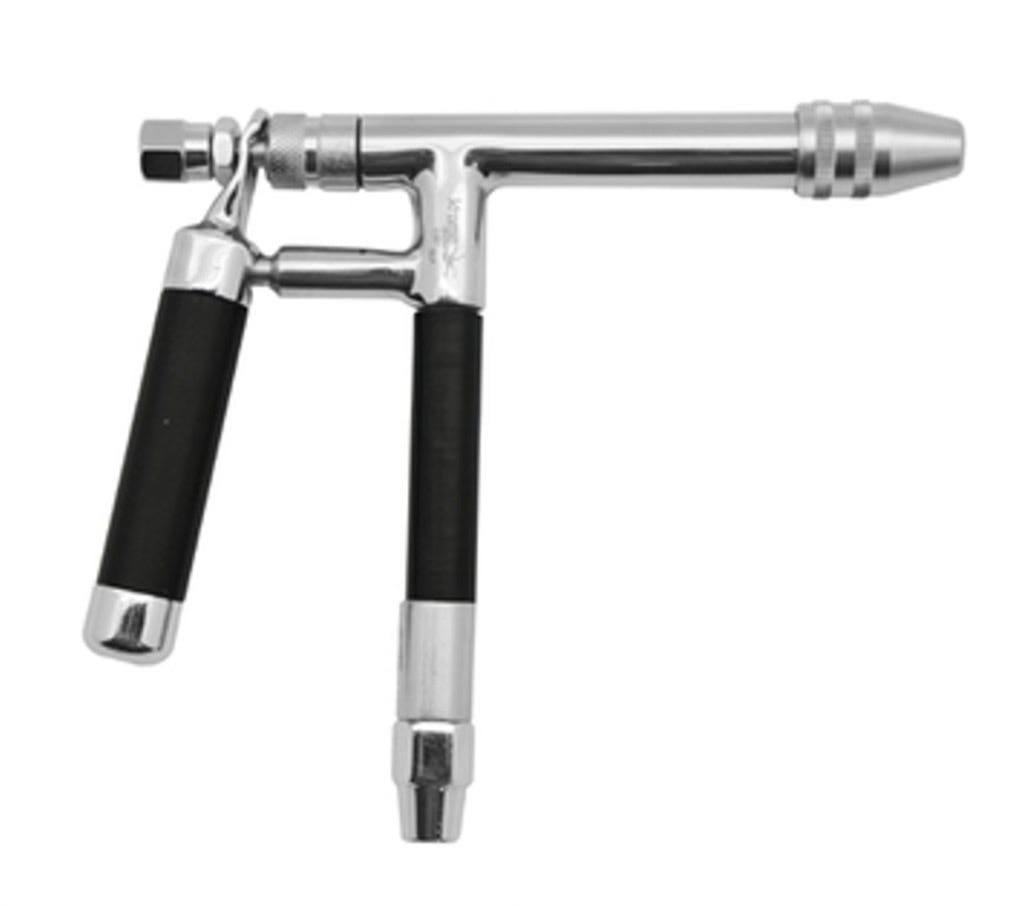
So I figured it was time to upgrade and move away from the beer guns, with an order to Brewshop of a stainless steel Nukatap with flow control, and stout spout and what a difference that has made. Almost from the first pour, the quality has been significantly improved.
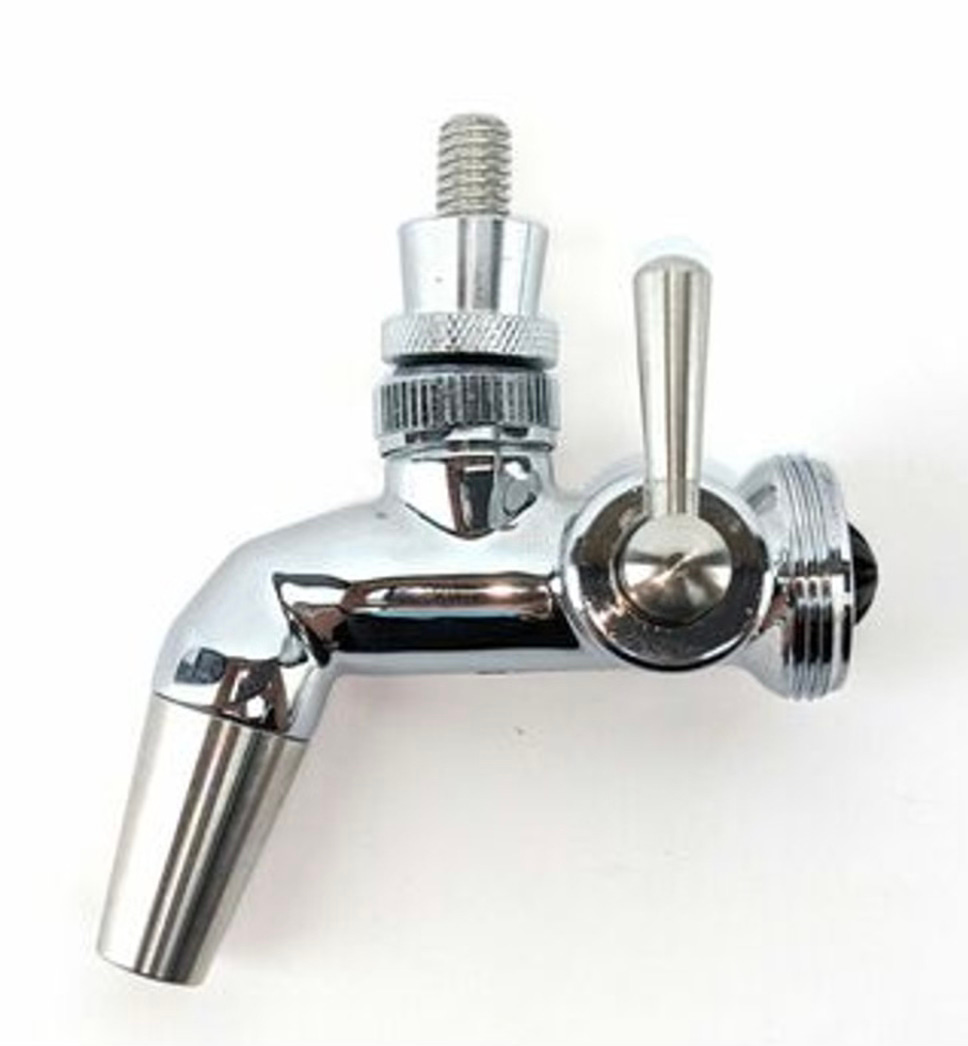
The nice thing about the tap is that you can use a traditional spout or the stout spout by simply screwing on the one you want.
And the results more or less speak for themselves:
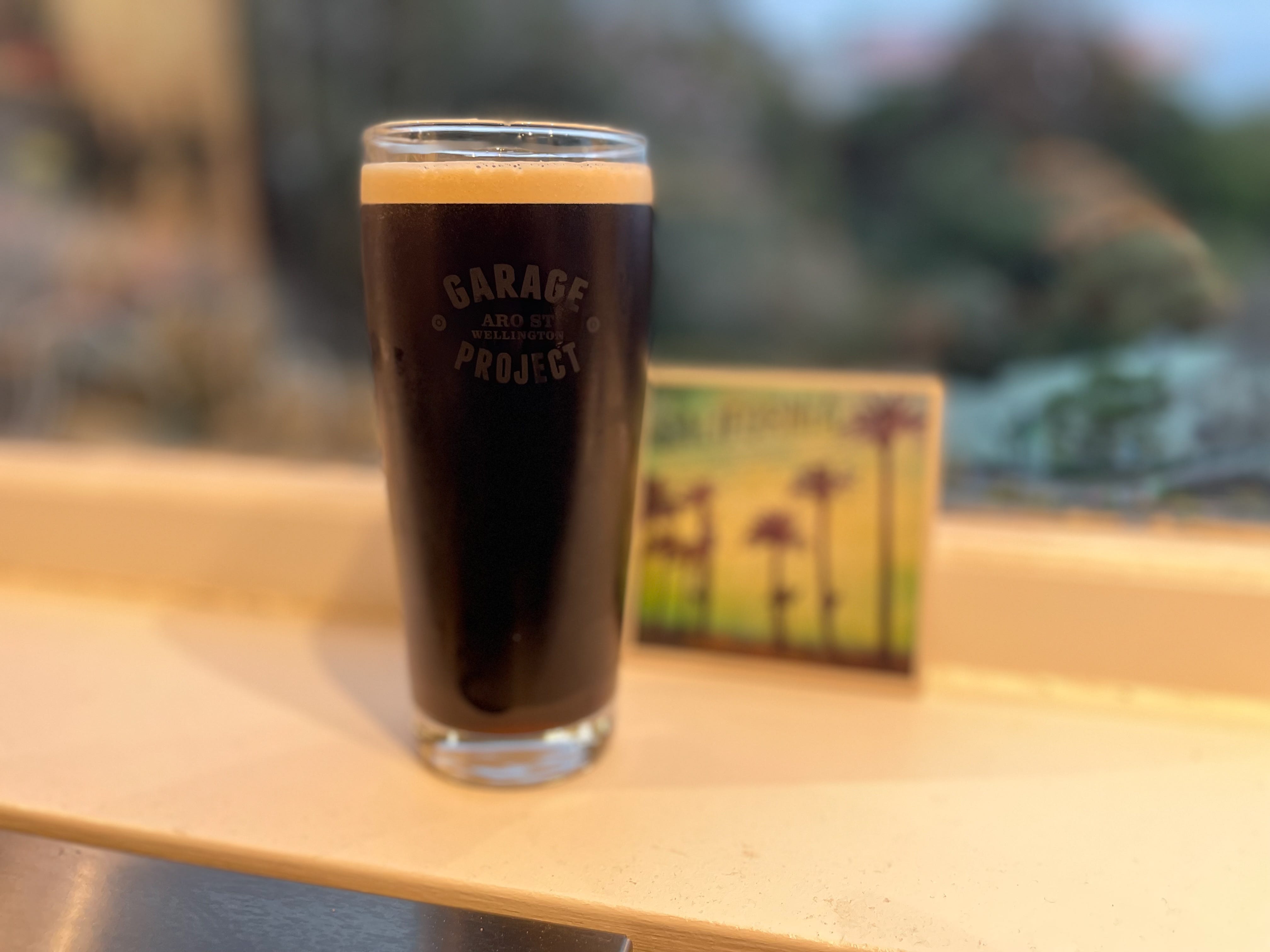
I’m still experimenting with the results. While the head is certainly improved, it probably isn’t as big as it should be, and I think this is probably due to the amount of dissolved C02 in the beer. When I kegged the stout, I was relying on some carbonation within the beer as part of the fermentation process. But I think it’s probably not enough, and while the keg has been hooked up to the nitro gas bottle, it’s taking a bit of time for more C02 to dissolve. With future beers, I might cap the fermentation a little and see if I can get 1 to 1.5 volumes of C02 and see if this makes an improvement.
Slán go maith.